
A mistake is a learning experience so long as you try again. The only time a mistake is a failure is when you give up. You and your family members can work on relapse prevention during your treatment by focusing on your discharge planning while you are in a treatment center. Overcoming substance and alcohol use disorder is difficult. You might have been sober after treatment for three months before a https://nvpcs.com/what-is-the-difference-between-alcohol-abuse-and-2/ relapse. Or maybe you have been sober for years before relapsing.

Find Support
Breaking these resolutions is also a common aspect i relapsed now what of behaviour change. Resolution breakdown, or relapse, is therefore not a unique behaviour peculiar to people affected by alcohol and other drug (AOD) use, but rather a feature of all human behaviour. If you have relapsed, stop using the substance as quickly as possible. The longer you continue to use, the more complicated it can become to stop using, especially if it is a substance on which your body can become physically dependent, such as alcohol. Your path to renewed recovery starts with a single phone call. At Oasis Treatment Centers, located in Costa Mesa, we understand the unique challenges of relapse and provide specialized outpatient care tailored to your needs.
Understanding Co-Occurring Disorders
In short, being sober simply means not using alcohol or other substances but not necessarily recovered in other ways. We also believe in the power of holistic therapy in addiction treatment and offer an intensive outpatient program (IOP) that provides flexible yet comprehensive care. The skills you developed, the insights you gained, and the strength you built during your sober time stay with you. Think of recovery like building a house – a storm might damage some walls, but the foundation remains intact. Each recovery attempt builds upon this foundation, making it stronger and more resilient. A relapse occurs when someone returns to substance use after a period of abstinence.
The Who: Establishing Healthy Boundaries in Relationships
Experiencing a self-harm relapse is a common part of many individuals’ recovery journeys. It can feel like a setback, but it is essential to remember that you are not alone and that help is available. It’s important to reach out for support from therapists, sponsors, or trusted individuals immediately. Being honest about the relapse without shame, reflecting on triggers and emotional states that led to it, and recommitting to treatment plans or support systems are key steps toward bouncing back.
Reach Out for Compassionate Support Today
The sooner you acknowledge that, the sooner you can stop self-blaming and start recovery again, hopefully, picking up near where you left off. Embark on a transformative journey with “So You Relapsed, Now What?”. This indispensable guide navigates the complex terrain of relapse and addiction recovery with empathy and expertise. Offering practical strategies and profound insights, it serves as a comprehensive manual for bouncing back from relapse and reclaiming control of your life. In this insightful and empowering book, you’ll embark on a transformative journey through the complex landscape of relapse and addiction recovery.
What is Relapse Under an Abstinence Model?
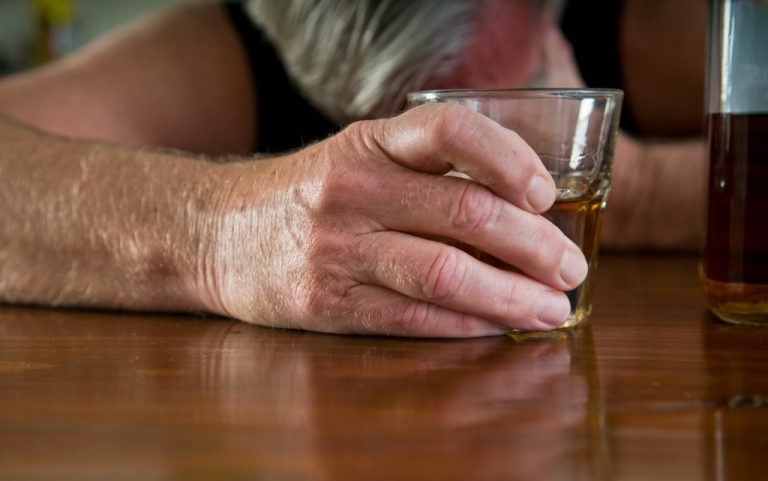
Depending on what stage of relapse you are in, you can get help before finding yourself dealing with drug or alcohol addiction again. Relapse can be any use of addictive behaviors to cope with stress and mental health issues. Sometimes, relapsing might be a change from alcohol or drug addiction to another addictive behavior. Many people relapse following long-term sobriety because they feel like they conquered their addiction. They feel like they can go back to using substances again because they won’t get addicted. When you’re recovering from alcohol use disorder, a relapse is when you start drinking again.
How to Handle a NoFap Relapse
- This article is designed to guide you through the immediate steps to take if you find yourself facing a relapse.
- This plan involves identifying triggers, implementing effective coping strategies, and having a structured response to potential relapse situations.
- Every long-term process will have setbacks along the way.
- Relapsing is a normal and expected part of the struggle with addiction.
Alcoholic relapse is the return to drinking alcohol after a period of sobriety. It is often influenced by triggers like social pressures, stress, or emotional challenges, but it can be managed with the right support and strategies. By understanding the causes of relapse and implementing effective prevention strategies, individuals can enhance their resilience and continue on the path to recovery. It is crucial to understand that experiencing a relapse does not signify failure; instead, it is part of the recovery process. Recovery is not a linear journey, and it is normal to experience setbacks along the way. It is vital to approach relapses with compassion and understanding rather than shame or guilt.
Emotional Triggers:
This can include learning new, healthy coping Sobriety mechanisms, building a strong support network, and seeking professional help such as therapy or counseling. Remember, creating a personalized recovery plan that suits your needs and circumstances is essential. Experiencing a relapse during addiction recovery can be disappointing and frustrating, potentially bringing up many negative emotions. However, it is important to remember that relapse is common and by no means indicates failure in seeking sobriety. By taking positive steps and considering how to learn and utilize new coping strategies, you can recover from a relapse and return to your recovery process.