Introduction: Why Payment Methods Matter to Industry Analysts
In the dynamic landscape of the Swedish online gambling market, understanding the intricacies of payment methods is paramount for industry analysts. The choices available to players directly impact key performance indicators (KPIs) such as player acquisition, retention rates, and overall revenue. Furthermore, the regulatory environment in Sweden, governed by Spelinspektionen, places significant emphasis on secure, transparent, and responsible gambling practices. This necessitates a thorough examination of the payment ecosystem, including the providers utilized, the associated fees, processing times, and the level of security offered. Analyzing the payment methods adopted by operators provides a crucial lens through which to assess their competitiveness, compliance, and strategic positioning within the market. This article will dissect the payment landscape, focusing on the offerings at a hypothetical casino, and draw implications for the broader Swedish online gambling industry. We will use the example of a casino, and its approach to payment methods, to illustrate key concepts. For example, let’s consider the hypothetical casino, Slot Mojo, and its approach to payment processing.
The Swedish Player’s Payment Preferences: A Consumer-Centric Overview
Swedish players exhibit distinct preferences when it comes to online payment methods. These preferences are shaped by factors such as convenience, security, familiarity, and the availability of mobile payment options. Bank transfers, both traditional and instant, remain a popular choice due to their perceived security and widespread acceptance. Swish, a mobile payment system developed by Swedish banks, has gained significant traction, especially among younger demographics, due to its ease of use and instant transaction capabilities. E-wallets, such as Skrill and Neteller, are also favored by some players for their fast processing times and ability to manage funds across multiple online platforms. Credit and debit cards, while still used, are gradually being superseded by faster and more convenient alternatives. The availability of these preferred payment options is a crucial factor in attracting and retaining Swedish players. Any operator failing to offer a comprehensive suite of payment methods risks losing market share to competitors who cater to player preferences more effectively.
Detailed Examination of Payment Method Categories
Bank Transfers: The Foundation of Trust
Traditional bank transfers, while often slower than other methods, still hold significant appeal for Swedish players. The perceived security associated with transferring funds directly from a bank account instills confidence, especially among players who are new to online gambling. Instant bank transfers, facilitated by services like Trustly, offer a faster alternative, providing immediate fund availability. These services often integrate seamlessly with players’ bank accounts, making the deposit process straightforward and user-friendly. The key considerations for operators regarding bank transfers include processing times, transaction fees (which can vary depending on the provider), and the integration of robust security measures to protect player data and prevent fraud. Compliance with Swedish banking regulations is, of course, absolutely crucial.
Mobile Payment Solutions: The Rise of Swish
Swish has revolutionized mobile payments in Sweden, and its impact on the online gambling industry is undeniable. Its instant transaction capabilities and ease of use make it a compelling choice for players. Operators that integrate Swish into their payment systems can benefit from increased player acquisition and improved deposit conversion rates. However, there are also considerations. Transaction limits imposed by Swish may affect high-roller players. Operators must also ensure that their systems are fully compliant with Swish’s security protocols and anti-money laundering (AML) regulations. The widespread adoption of Swish underscores the importance of mobile-first strategies in the Swedish market.
E-Wallets: Speed and Convenience
E-wallets, such as Skrill and Neteller, offer players a convenient way to manage their funds and make transactions across multiple online platforms. Their fast processing times and relatively low fees make them attractive alternatives to traditional payment methods. However, operators must carefully consider the fees associated with e-wallet transactions, as these can impact their profitability. Furthermore, the integration of e-wallets requires compliance with the specific security and regulatory requirements of each provider. The popularity of e-wallets is also influenced by the availability of loyalty programs and other incentives offered by the providers. The ability to offer a seamless and secure e-wallet experience is a key differentiator for operators in the competitive Swedish market.
Credit and Debit Cards: Still Relevant, But Declining
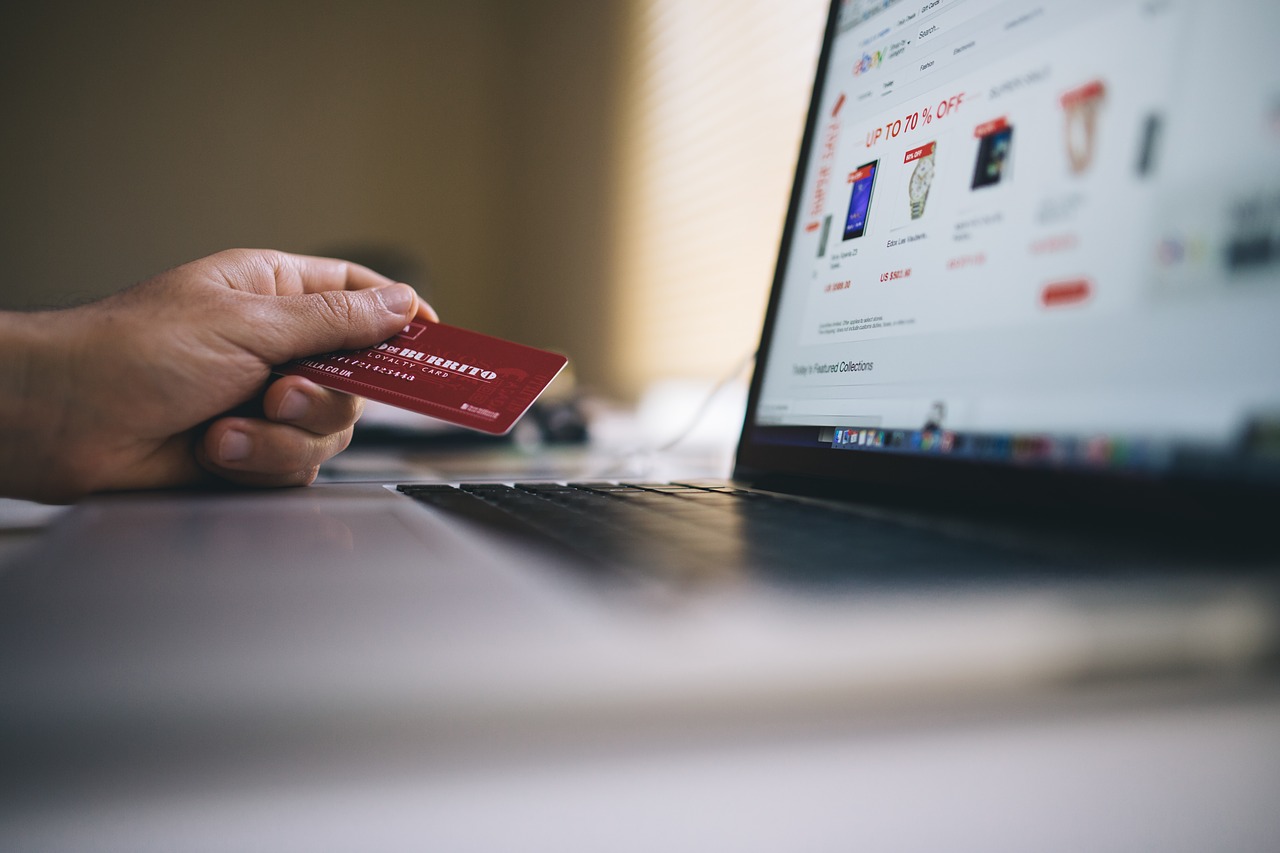
While credit and debit cards remain a viable payment option, their popularity is gradually declining in Sweden, particularly among younger demographics. The rise of faster and more convenient payment alternatives, such as Swish and instant bank transfers, has contributed to this trend. However, credit and debit cards still offer a familiar and trusted payment method for many players. Operators must ensure that their card processing systems are PCI DSS compliant to protect player data and prevent fraud. They must also be mindful of chargeback risks and implement measures to mitigate potential losses. The continued relevance of credit and debit cards depends on the operator’s ability to provide a secure and user-friendly payment experience, as well as the fees charged.
Regulatory Compliance and Security Considerations
The Swedish gambling regulatory framework, overseen by Spelinspektionen, places a strong emphasis on player protection, responsible gambling, and anti-money laundering (AML) measures. Operators must ensure that their payment systems are fully compliant with these regulations. This includes implementing robust Know Your Customer (KYC) procedures, verifying player identities, and monitoring transactions for suspicious activity. Secure payment gateways, encryption protocols, and fraud prevention measures are essential to protect player data and prevent financial crime. Furthermore, operators must provide clear and transparent information about their payment methods, including fees, processing times, and withdrawal limits. Compliance with these regulations is not only a legal requirement but also a crucial factor in building player trust and maintaining a positive reputation within the market.
Conclusion: Strategic Implications and Recommendations
The payment landscape in the Swedish online gambling market is characterized by a diverse range of options, with player preferences heavily influenced by convenience, security, and the availability of mobile payment solutions. Operators must adopt a strategic approach to payment processing, offering a comprehensive suite of methods that cater to the needs of their target audience. Key recommendations for industry analysts and operators include:
- Prioritize Swish integration: Given its popularity and ease of use, Swish integration is essential for attracting and retaining Swedish players.
- Offer instant bank transfers: Services like Trustly provide a secure and convenient alternative to traditional bank transfers.
- Consider e-wallets: E-wallets offer fast processing times and are favored by some players.
- Ensure regulatory compliance: Adherence to Spelinspektionen regulations is paramount for legal operation and player trust.
- Implement robust security measures: Protect player data and prevent fraud through secure payment gateways and encryption protocols.
- Monitor player preferences: Continuously analyze player behavior and adapt payment offerings to meet evolving needs.
- Optimize the user experience: Provide a seamless and user-friendly payment process, including clear information about fees, processing times, and withdrawal limits.